Acne Scars
Acne scars or spots? We'll make your skin smoother and more even.
Your acne has finally cleared up, but your skin still tells the story. Small pits on your cheeks, bumps on your temples, or red and brown spots where pimples used to be. Makeup covers them up, but you can still see them in daylight. Acne scars don’t go away on their own.
At Smooth in Enschede and Zwolle, an experienced skin therapist will smooth your skin layer by layer.
What are acne scars? Here's how to recognize them.
Deep inflammation damages the collagen in your skin. If your skin doesn’t heal properly, it leaves behind a dimple or uneven texture. There are narrow, deep ice-pick scars, wide boxcar scars with sharp edges, and wavy rolling scars. In addition, acne often leaves behind red or brown spots. These aren’t actual scars, but rather discolorations.
We are affiliated with:



Why Choose Smooth?
Acne scars are almost always a mix of different types. Our skin therapists identify the specific type of scar at each spot and combine techniques that complement each other. Do you still have active pimples? If so, they’ll treat your acne first. This way, you can work toward smooth skin without creating new scars.
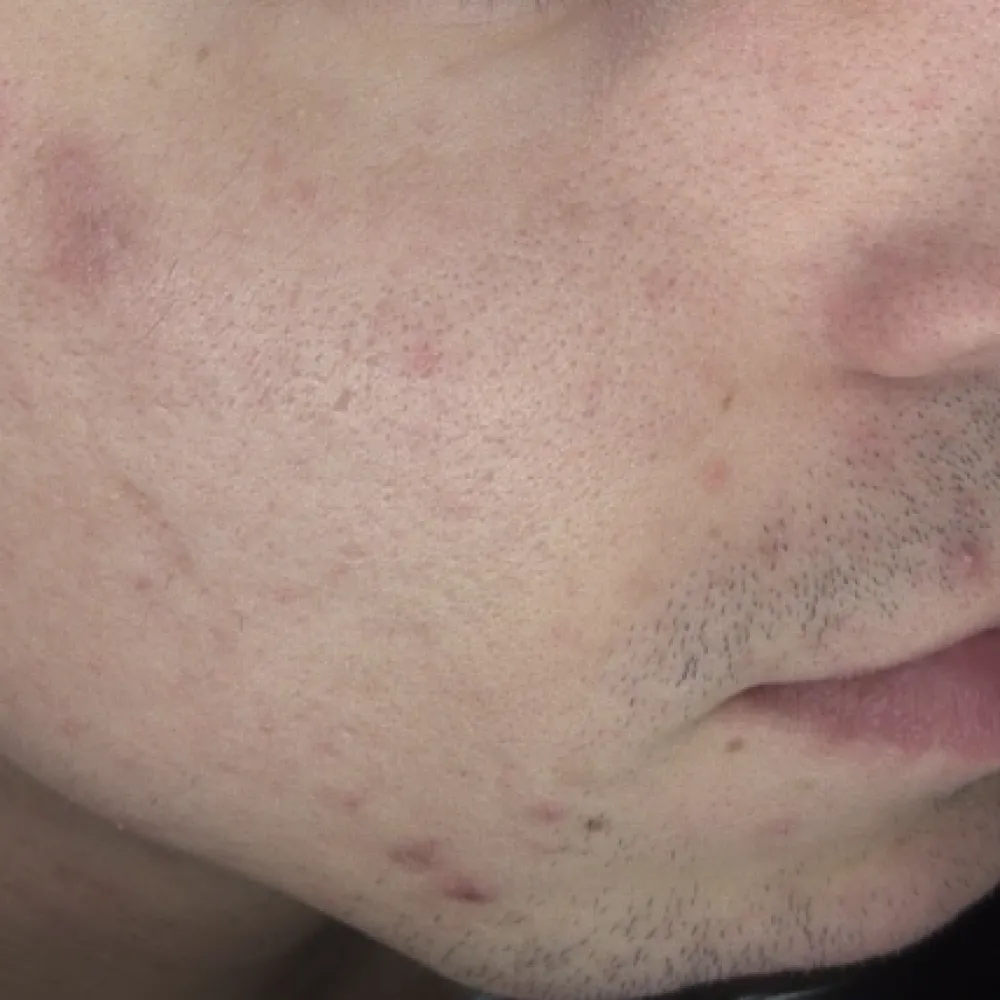
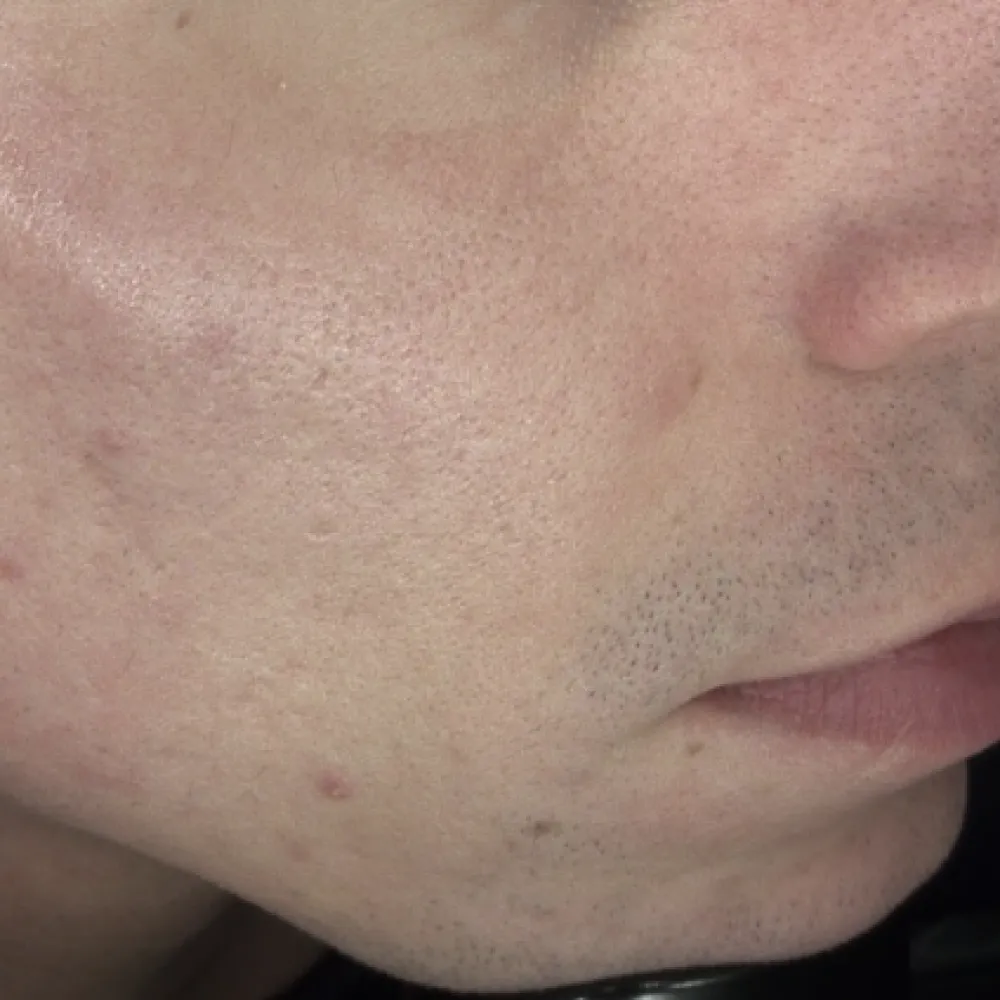
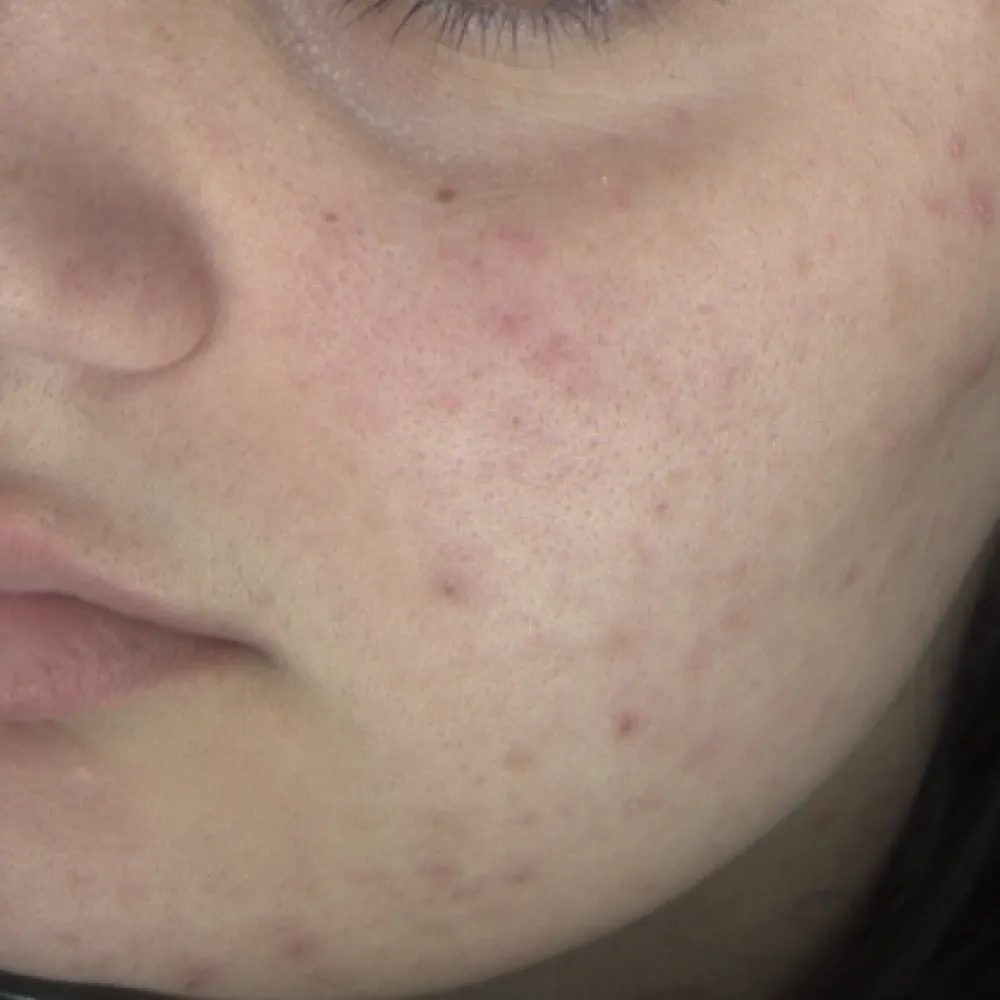
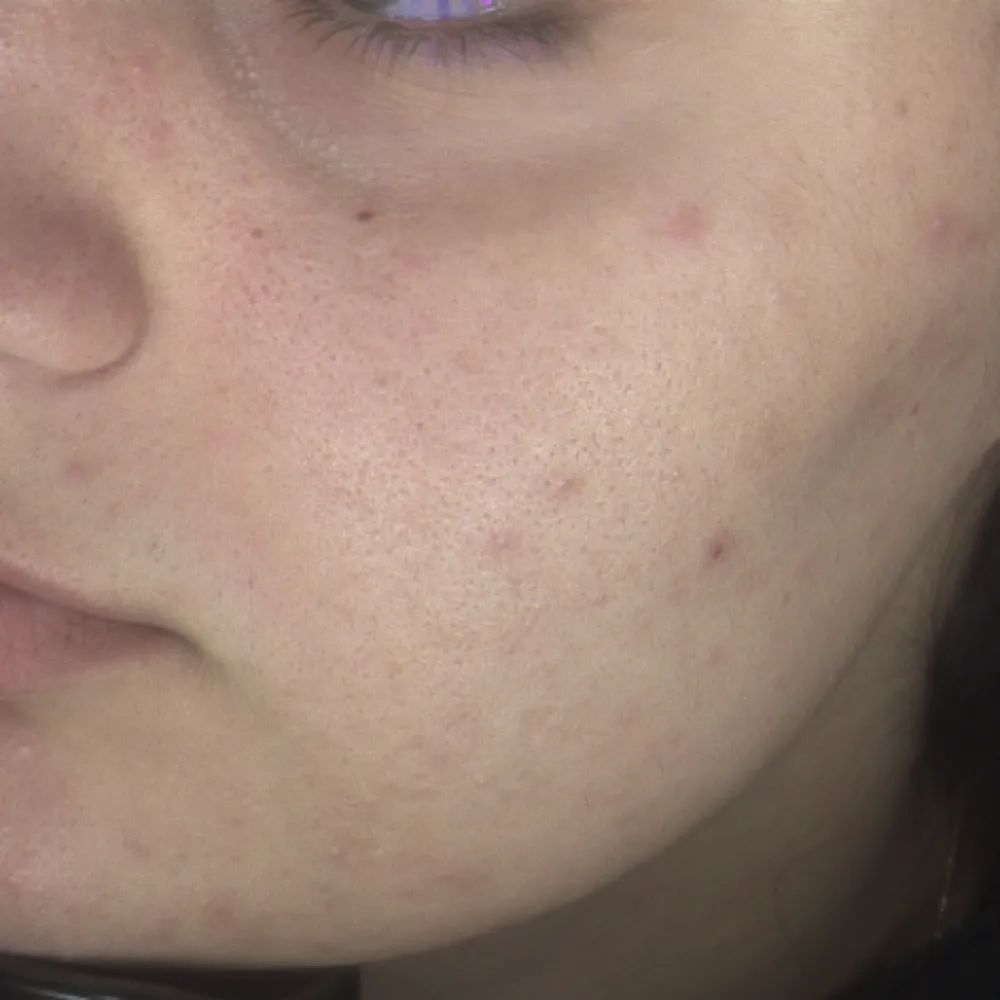
Before and after: acne scars.
From dimples and unevenness to smoother, more even skin. The photos show clients’ cheeks and temples before and after a series of treatments using the techniques we chose. The depth of your scars determines the results.
For
And
For
And
FREE SKIN CONSULTATION.
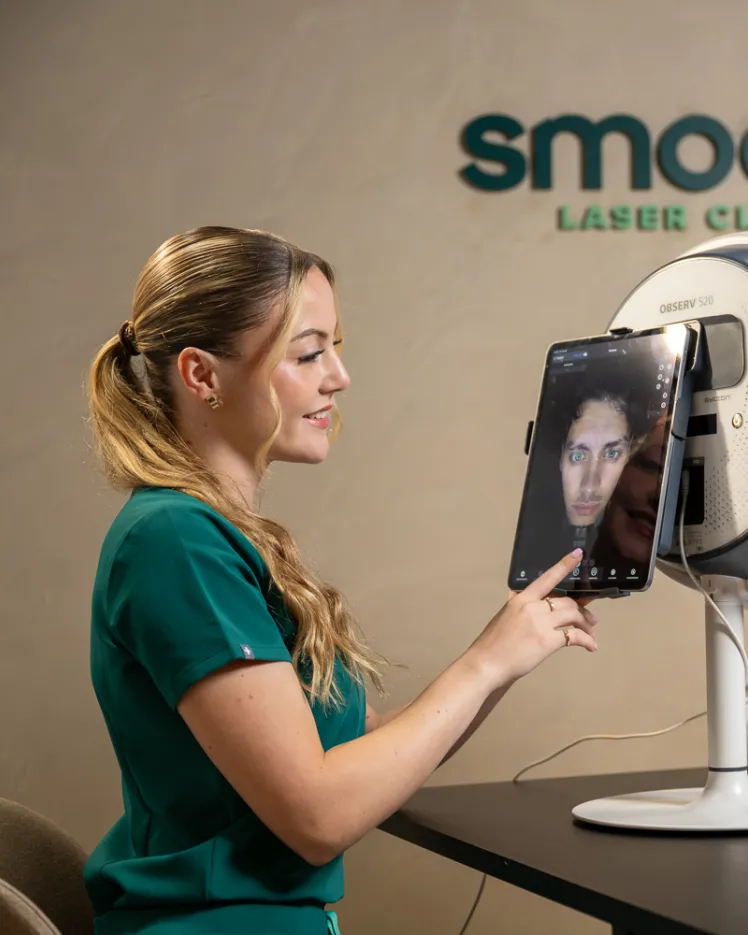
Discover what your skin needs. Our skin therapist will listen to your needs, analyze your skin using the OBSERV 520X, and provide honest advice about suitable treatments and the results you can expect.
Equipment for treating acne scars.
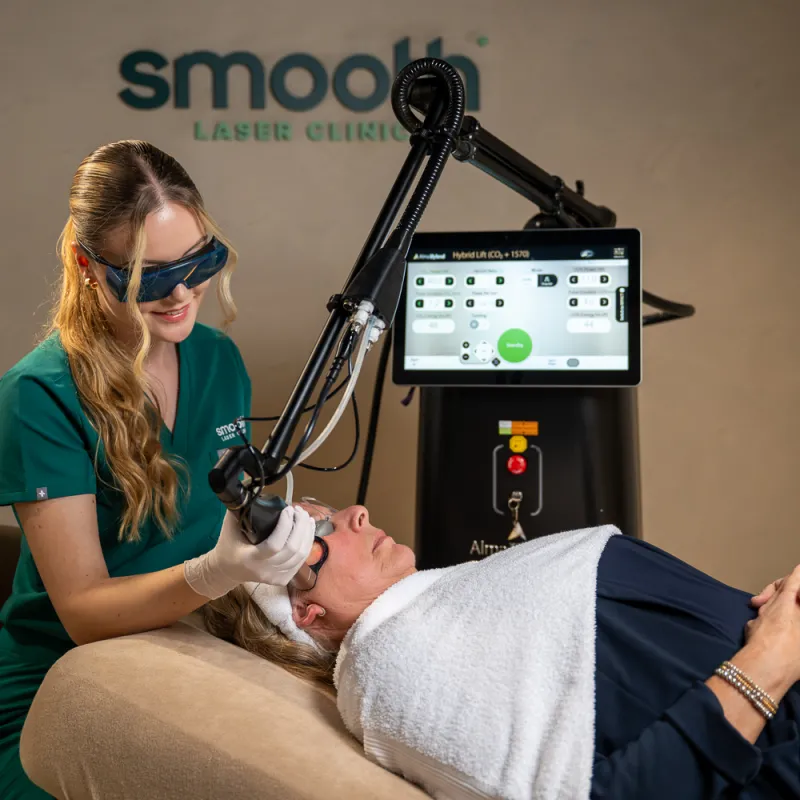
For deeper pits, we use the CO2 laser. We use the PicoLO as a collagen booster for shallow scars, and the PicoLO Premium for brown spots. With the Dermapen 4, we refine your skin texture.
The OBSERV skin scan measures how much smoother your skin becomes after each session.
HOW WE WORK.
During your free initial consultation, the skin therapist will examine your skin from the side. This allows her to see which pits are deep and which are shallow. She’ll ask about your acne, your medication, and what you’ve already tried. We’ll use the OBSERV skin scan to assess your current condition.
During your free initial consultation, the skin therapist will examine your skin from the side. This allows her to see which pits are deep and which are shallow. She’ll ask about your acne, your medication, and what you’ve already tried. We’ll use the OBSERV skin scan to assess your current condition.
You'll receive a treatment plan that specifies the technique, the number of sessions, and the cost for each area. Are you taking isotretinoin, an acne medication in tablet form? If so, we'll wait until six months after your last course of treatment before performing laser or microneedling.
A numbing cream makes the treatment bearable. Afterward, your skin will be red and sometimes slightly swollen. With the CO2 laser, small scabs will form that will fall off within a week. You’ll receive detailed instructions on how to care for your skin.
Collagen continues to build up for months after your last treatment. This makes your skin increasingly smoother. Apply SPF 30 or higher daily to prevent new spots from forming, and don’t squeeze pimples. During a follow-up visit, we’ll evaluate your results together.
Smooth Facts.


Frequently Asked Questions About Acne Scars.
Do you have questions about acne scars and how to treat them? That’s understandable. Below, you’ll find clear answers to the most frequently asked questions, so you’ll know exactly where you stand and what to expect.
Is treatment for acne scars covered?
Sometimes. In cases of severe acne scars, your supplemental insurance may cover part of the cost if a skin therapist provides a diagnosis. A diagnosis is not a guarantee: the terms and conditions vary by policy. Mild scars and blemishes are often considered cosmetic. Be sure to check your policy terms and conditions in advance.






Make an appointment.
Schedule your appointment online. Choose a time that works for you and book directly with one of our specialists.