
Pigment spots
Dark spots that won't go away? We target them specifically.
You see them in the mirror, in photos, and in the sunlight: brown spots on your cheeks, forehead, or hands. You cover them up with foundation, but they come back darker every summer. Pigment spots are harmless, but you want even-toned skin. At Smooth in Enschede and Zwolle, an experienced skin therapist will choose the treatment that’s right for your type of pigmentation.
What are age spots? Here's how to recognize them.
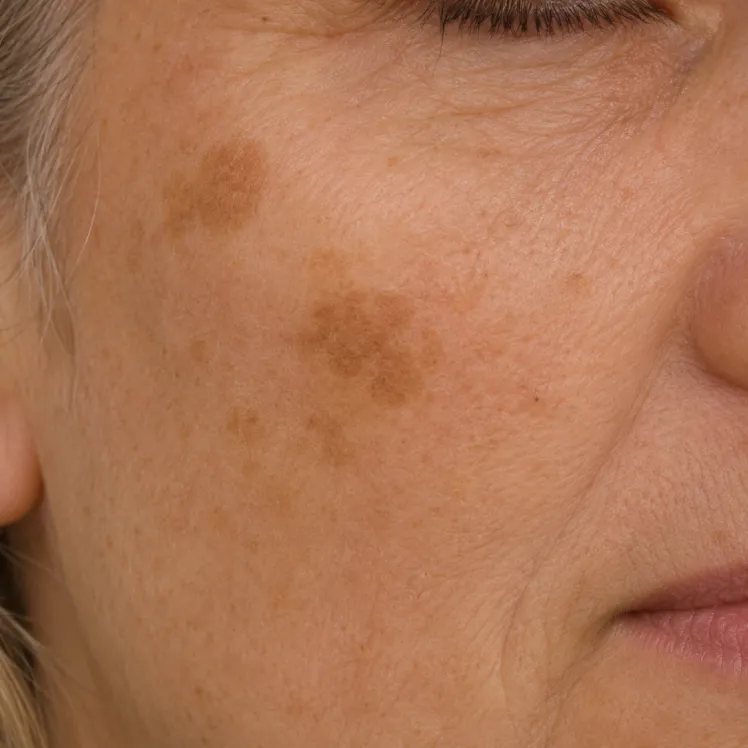
A pigment spot forms when your skin produces an excess of melanin in a specific area. Melanin is the substance that gives your skin its color. They appear as light- to dark-brown spots, often on your face, hands, and décolleté. Sun exposure is usually the cause. Hormones, aging, and inflammation—such as from a pimple—can also leave a spot behind.
Not every stain is the same. That's why we first determine what kind of pigment you have.
We are affiliated with:



Why Choose Smooth?
Removing pigment spots is a specialized skill. Using the wrong technique can actually make a spot darker. Our skin therapists first assess the type of pigment, its depth, and your skin type. Then they choose the treatment that will work: laser, chemical peel, or a combination. You’ll be told in advance what results are realistic.
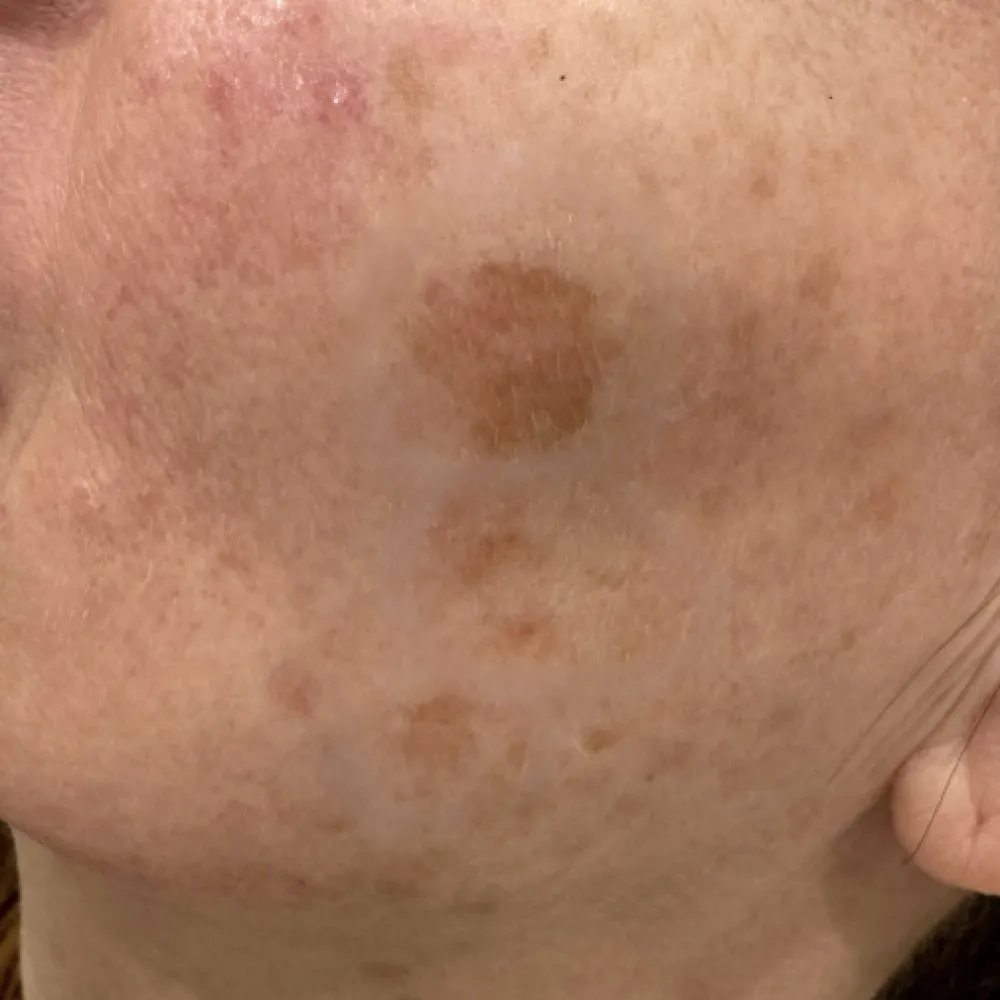
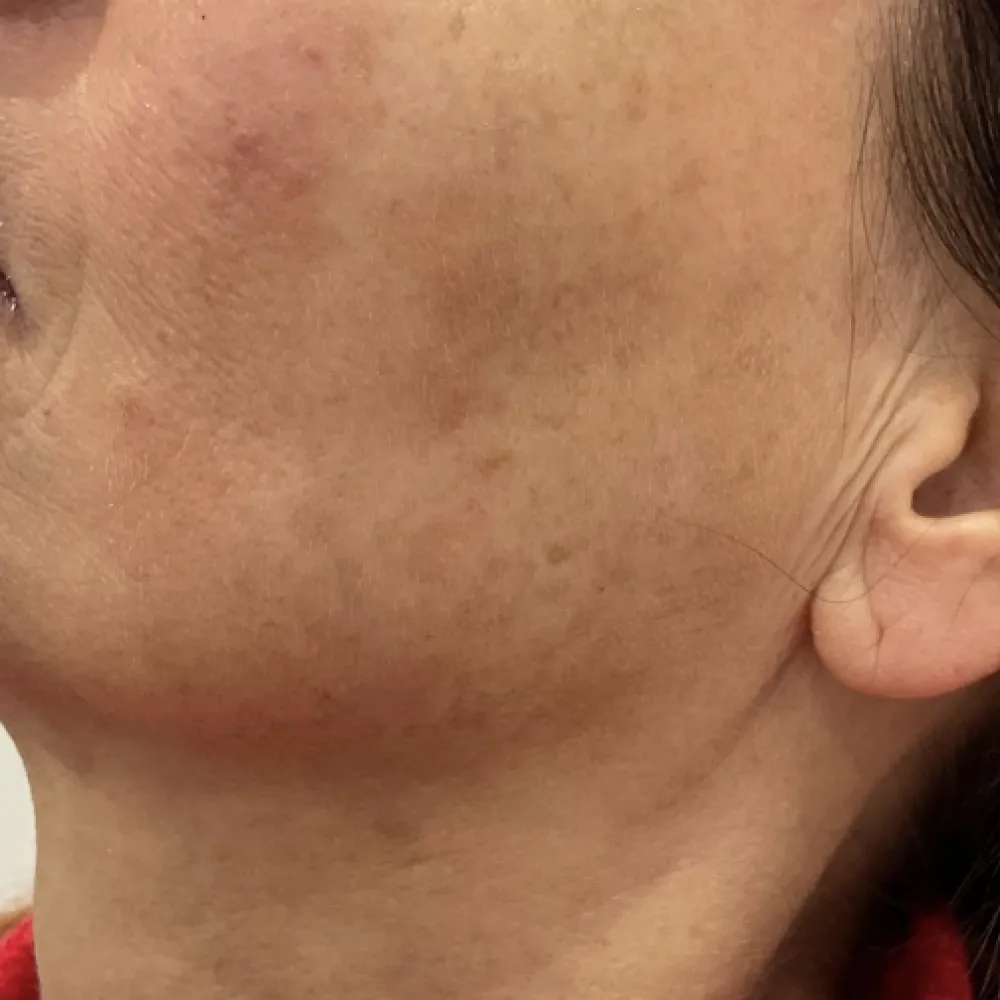
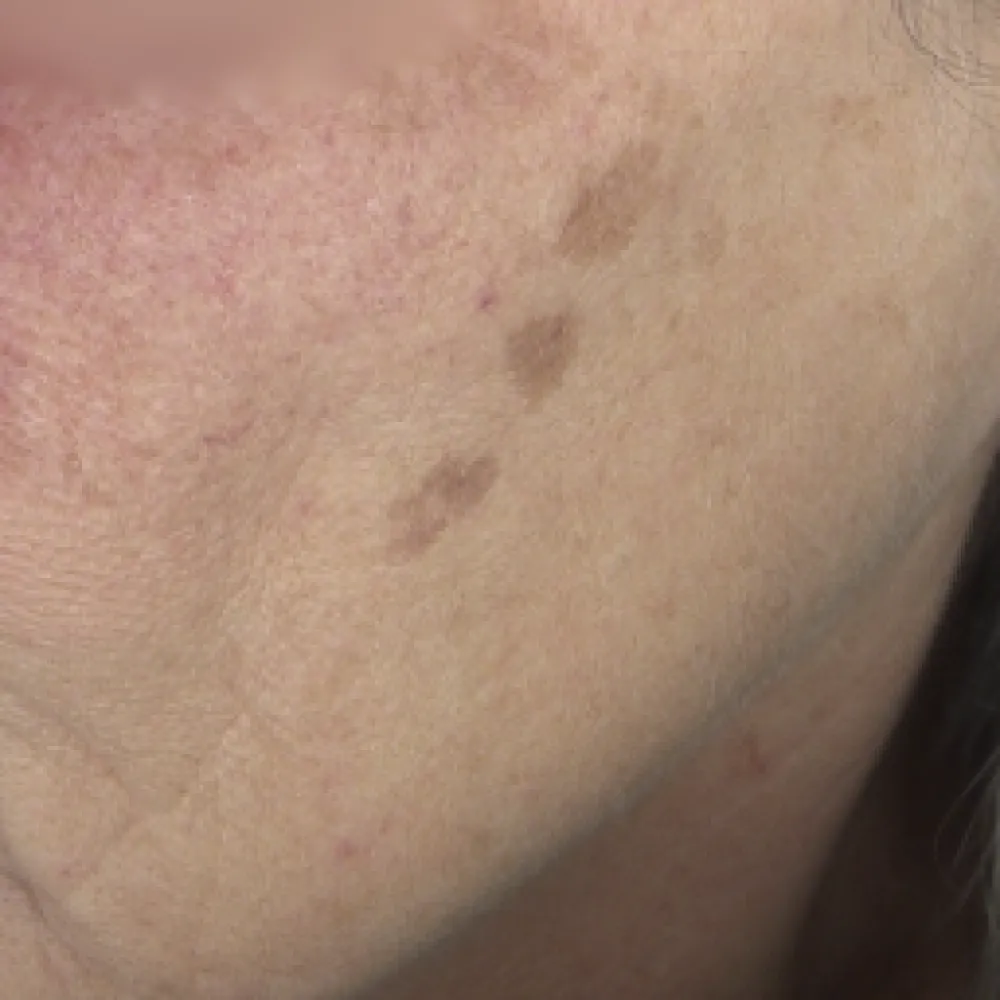
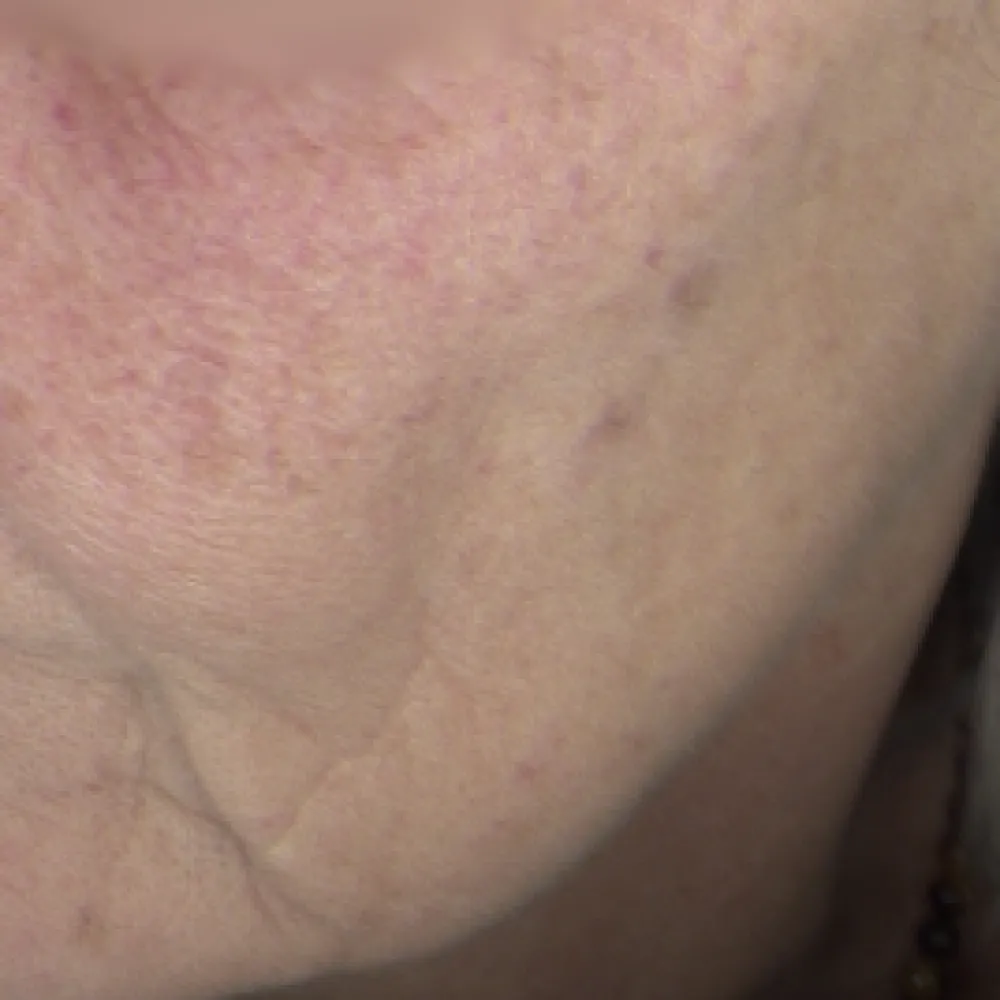
Pigment spots: before and after.
From noticeable brown spots to a lighter, more even complexion. The photos show spots on clients before and after their treatment. For each photo, you’ll find the technique used and the number of sessions.
For
And
For
And
HOW WE WORK.
Treating pigment spots is a step-by-step process. First, we determine what type of pigmentation you have, then we choose the right technique, and finally, we teach you how to protect your results. That way, you’ll know exactly where you stand at every step.
During your free skin consultation, the skin therapist will assess each spot individually. She’ll ask how long you’ve had them, whether they’re changing, and how often you’re exposed to the sun. She’ll also discuss any medications and hormones you’re taking. This helps us determine the type of pigmentation and the right treatment approach.
Your plan includes the technique, the sessions, and the price. Stay out of the sun and away from tanning beds in the weeks leading up to your treatment, and apply a high SPF sunscreen daily. Sometimes you’ll start with a cream that prepares your skin.
During laser treatment, you’ll feel brief, warm taps on the spot. During a peel, your skin will feel warm or tingly for a moment. Afterward, your skin may turn slightly red, and the spots may appear darker for a short time. That’s to be expected.
Sun protection is especially important in the weeks following treatment. Apply a high SPF sunscreen every day, even when it’s cloudy. Leave any scabs alone. At your follow-up appointment, we’ll discuss together whether an additional session would be beneficial.
The right technique for your pigment.
Our laser for pigmentation spots is the PicoLO Premium. Its ultrashort pulses break down the pigment while generating minimal heat in your skin. As a result, the risk of new pigmentation caused by the treatment is low, even for those with more sensitive skin.
If you have uneven pigmentation or a tanned complexion, a Mela peel or TCA peel is often the better choice. You can decide which one is right for you together with your skin therapist.

FREE SKIN CONSULTATION.
Discover what your skin needs. Our skin therapist will listen to your needs, analyze your skin using the OBSERV 520X, and provide honest advice about suitable treatments and the results you can expect.
Smooth Facts.


Is treatment for pigmentation spots covered by insurance?
Sometimes. If your pigmentation is caused by acne or inflammation, and the skin therapist makes a dermatological diagnosis to that effect, your supplemental insurance may cover part of the cost. Basic insurance does not cover this. Do you want to have sunspots treated for cosmetic reasons? In that case, you’ll usually have to pay the costs yourself. Check your policy beforehand. There’s no guarantee of reimbursement.






Frequently Asked Questions About Pigment Spots.
Do you have questions about pigmentation spots and how to treat them? That’s understandable. Below, you’ll find clear answers to the most frequently asked questions, so you’ll know exactly where you stand and what to expect.
Maak een afspraak.
Je bespreekt je huid met een specialist. Met de OBSERV 520x maken we een huidscan die laat zien wat er onder de oppervlakte gebeurt. Zo weet je precies welke behandeling werkt. Het gesprek is gratis, in Enschede of Zwolle.