Pigmentation Issues
Pigment spots or an uneven complexion?
Spots on your cheeks that get darker every summer. Brown spots on your hands. A dark patch on your upper lip or forehead that you cover up with makeup. Pigment spots come in many forms, and each form requires its own approach. An experienced skin therapist at Smooth in Enschede or Zwolle will determine what type of pigmentation you have and what will truly help treat it.
What is hyperpigmentation? Here's how to recognize the different types.
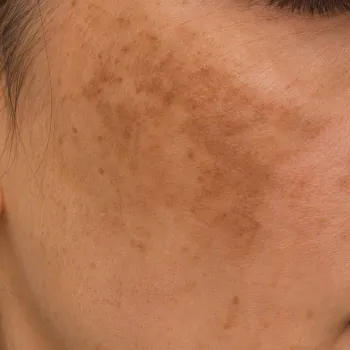
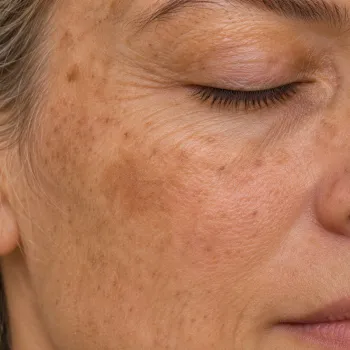
Hyperpigmentation, or overpigmentation, means that your skin produces too much pigment in certain areas. You’ll notice this as light brown to dark spots. Sun exposure is the main cause, but hormones, aging, genetics, and inflammation also play a role. For example, a brown spot may remain after a pimple or a small cut.
Whether they're freckles, age spots, or melasma: the type and depth determine what works.
We are affiliated with:



Which skin problem do you recognize?
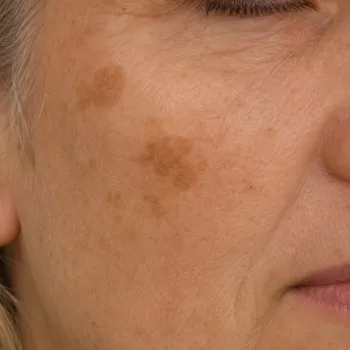
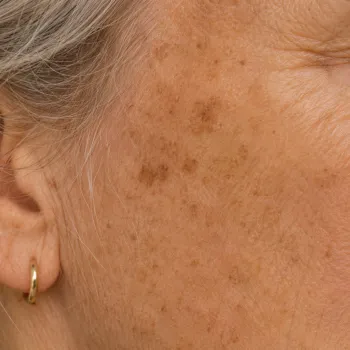
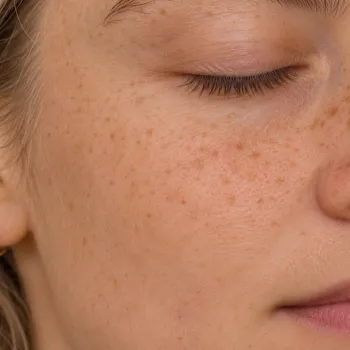
Are the spots mainly on your face, hands, or décolletage? Are they sharply defined or more of a blotchy appearance? Do they get darker in the summer, or did they appear during pregnancy? Below are the types we see most often. Not sure what you have? During the free skin consultation, we’ll assess your pigmentation and explain what to expect.
Why Choose Smooth?
Treating pigmentation without a proper diagnosis can backfire. In some cases, the spots may actually become darker. Our skin therapists first determine what type of pigmentation you have and how deep it is. They use the PicoLO Premium, chemical peels, and a personalized treatment plan. You’ll receive honest advice upfront about what’s achievable.
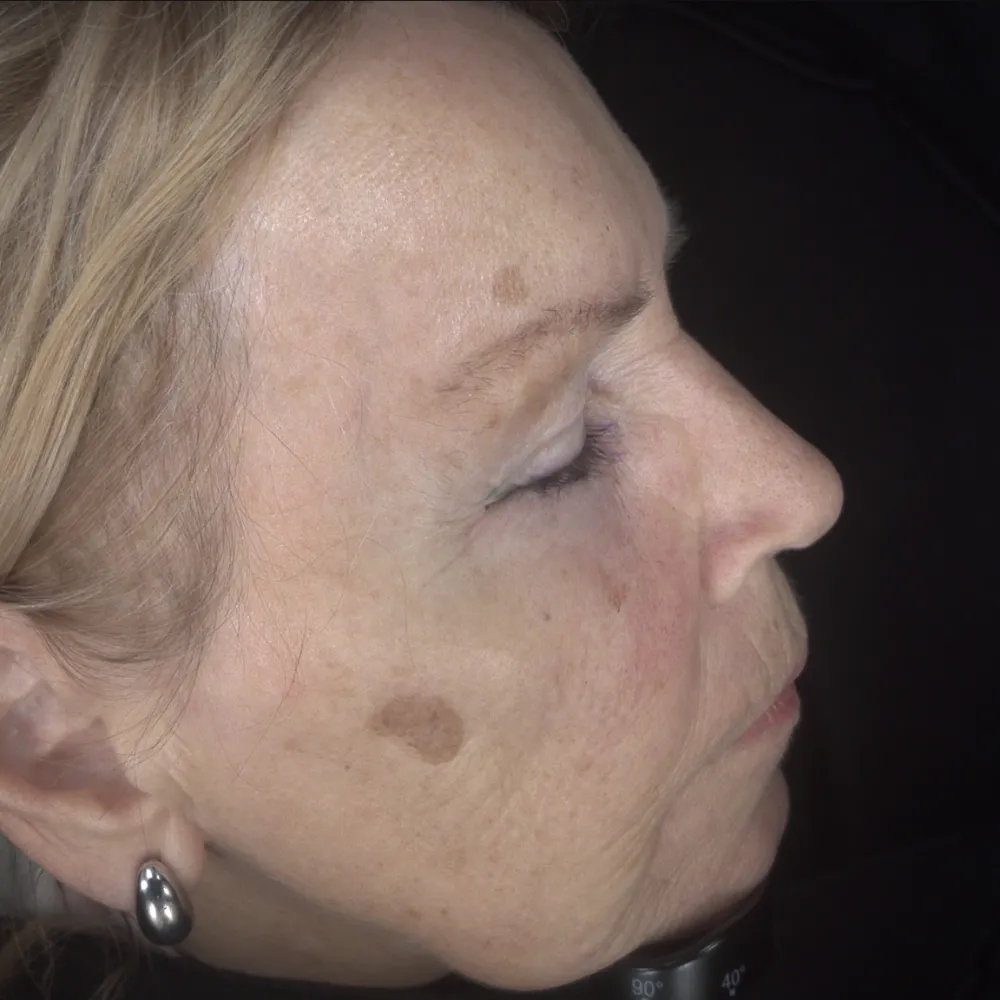
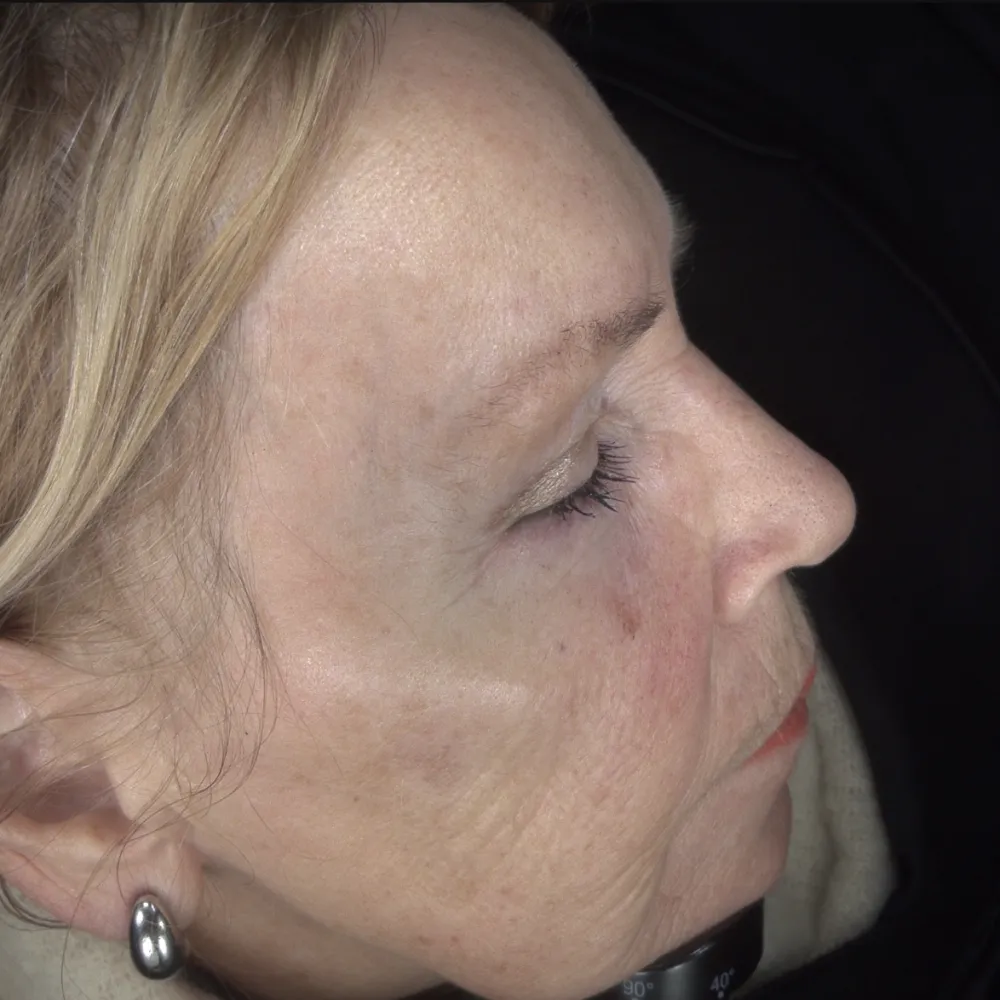
Pigmentation Issues: Before and After.
From visible brown spots and a mottled complexion to smoother skin. See how clients’ skin changed for each type of pigment, and read about the treatment we chose. Pigment reacts differently depending on the skin type.
For
And
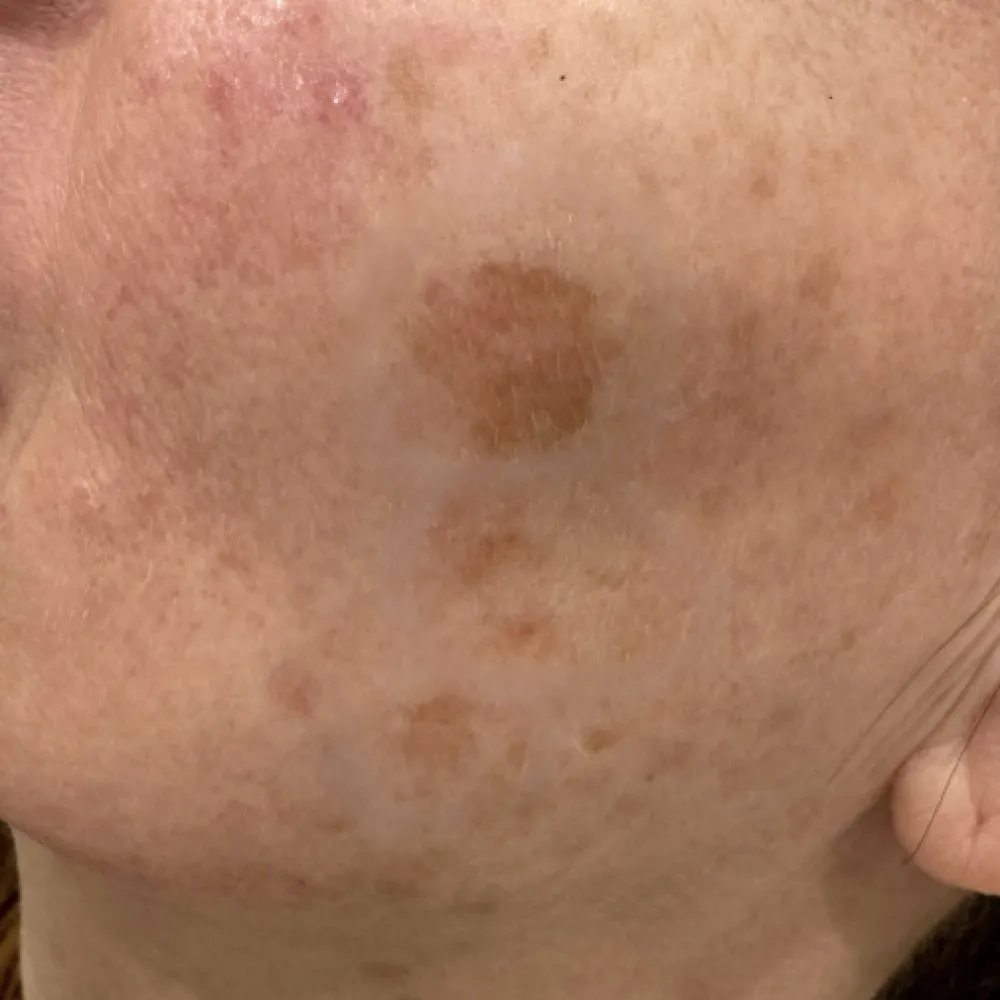
For
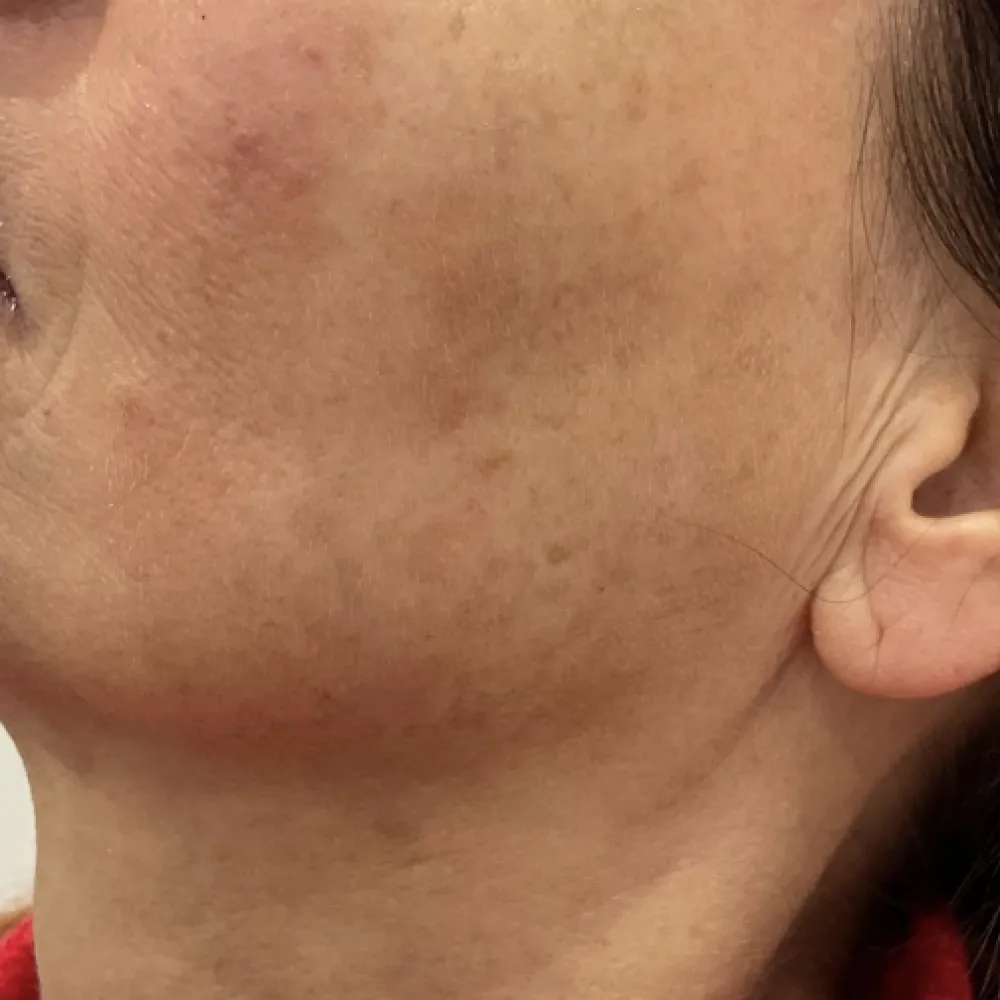
And
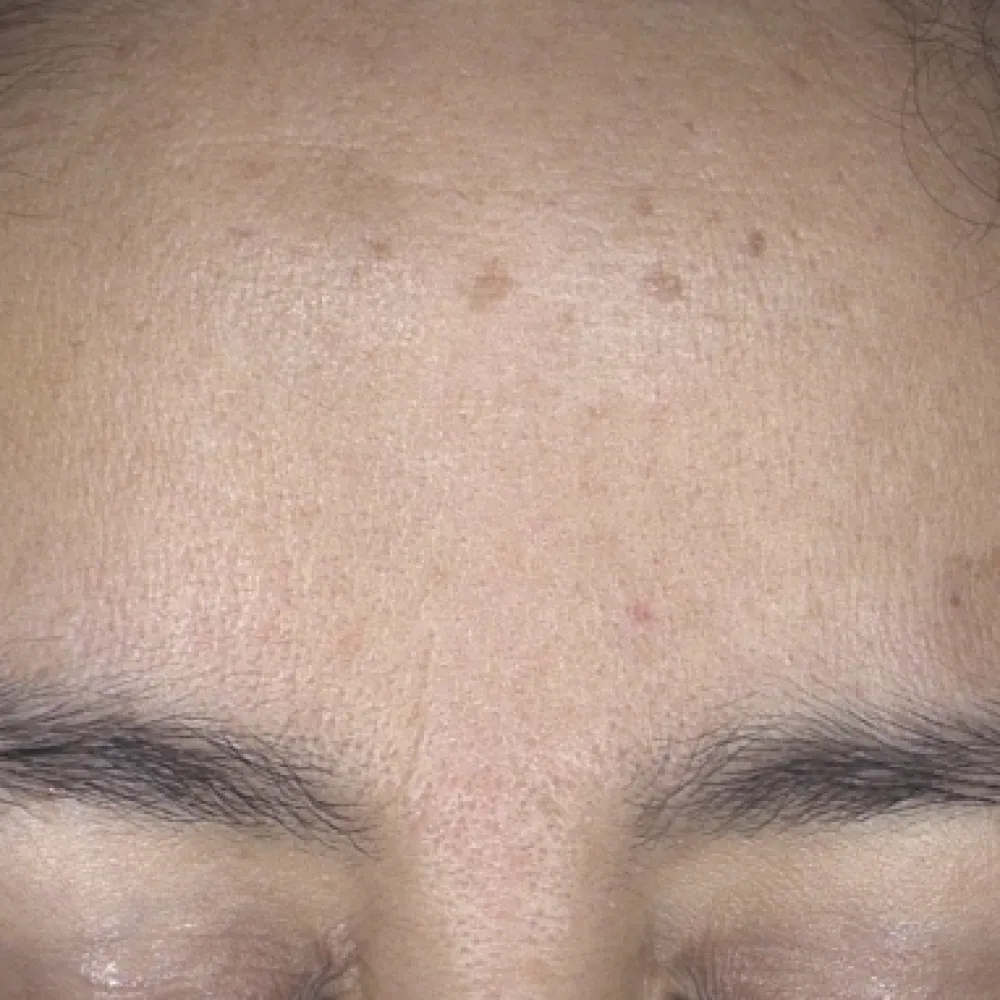
For
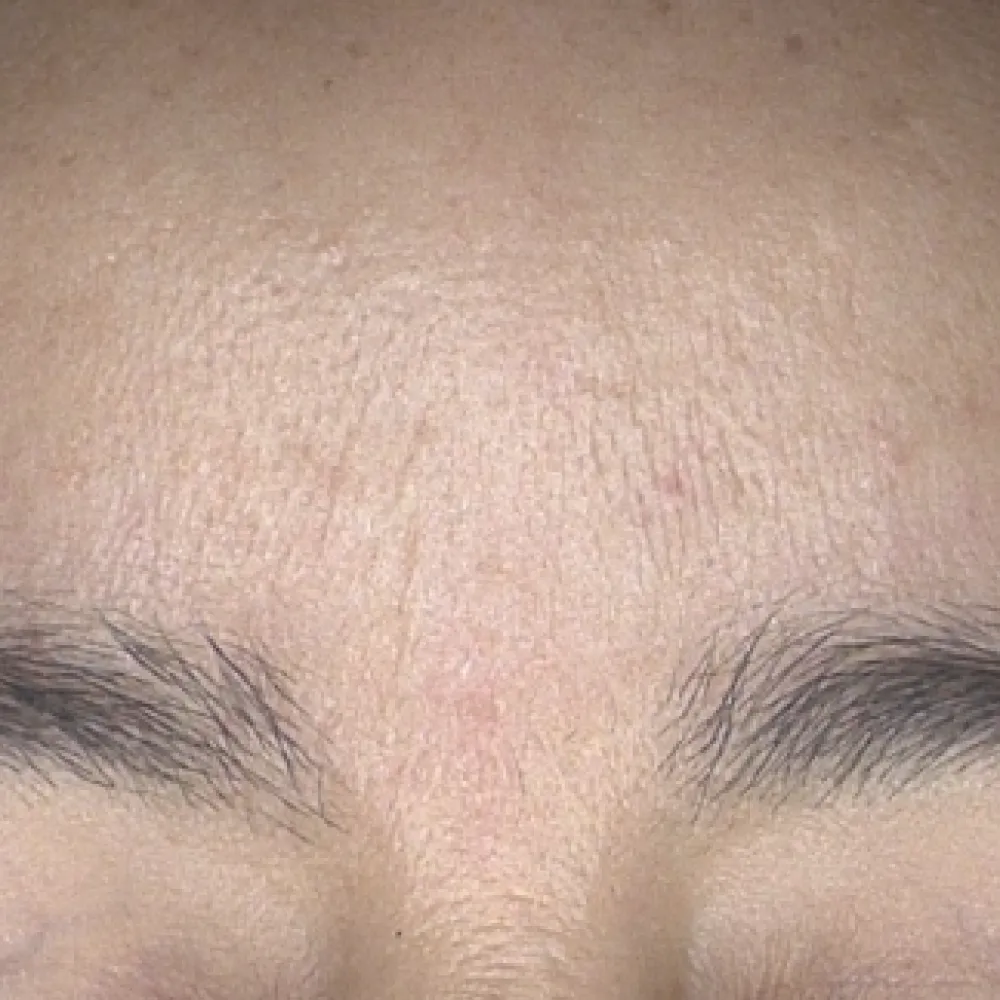
HOW WE WORK.
Pigmentation isn't a one-size-fits-all issue. That's why we never choose a treatment blindly. We assess your skin, determine the type of pigmentation, and tailor the technique to your skin type. And we'll tell you how to maintain the results.
During your free skin consultation, the skin therapist will take a close look at your spots and ask how long you’ve had them. Did they get darker in the sun? Are you taking hormones, or have you been pregnant? This helps us determine what type of pigmentation you have and whether treatment is appropriate.
Your treatment plan outlines the procedure, the number of sessions, and the cost. For some types of pigmentation, you’ll start by applying a preparatory cream. Avoid the sun and tanning beds in the weeks leading up to your treatment, as light and laser treatments are not safe on tanned skin.
We choose the technique that best suits your pigment and skin type: laser, chemical peel, or a combination of both. After a laser treatment, spots often darken at first and form a small scab. That’s normal. They’ll lighten within a few weeks.
Without proper protection, pigmentation will quickly return. That’s why you should apply a high SPF sunscreen every day, even in the winter and on cloudy days. You’ll receive advice on skincare that helps your skin stay even-toned. At follow-up appointments, we’ll review your progress.
Our equipment.
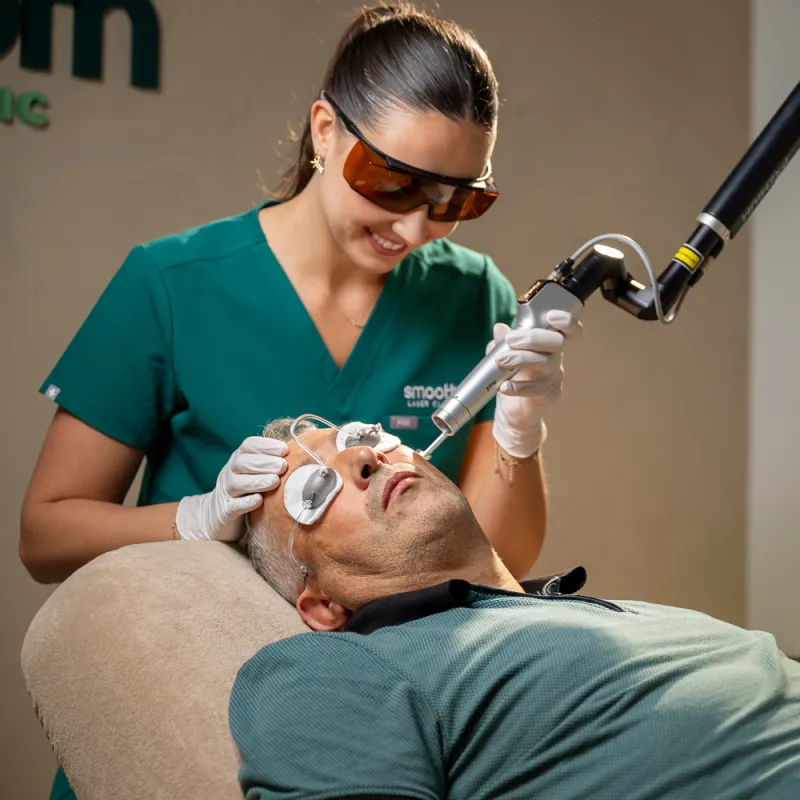
For pigmentation spots, we use the PicoLO Premium. This pico-laser uses extremely short pulses that break the pigment down into tiny particles, which your body then eliminates. The surrounding skin is barely heated. This is important because heat can actually stimulate pigmentation.
When it's more appropriate, we'll opt for a peel, such as the Mela peel or TCA peel. Your skin therapist will help you determine which option is best for your skin.
FREE CONSULTATION.
Discover what your skin needs. Our skin therapist will listen to your needs, analyze your skin using the OBSERV 520X, and provide honest advice about suitable treatments and the results you can expect.
Smooth Facts.


Is pigment treatment covered by insurance?
Sometimes. If a skin therapist makes a dermatological diagnosis, such as melasma or post-acne hyperpigmentation, your supplemental insurance may cover part of the cost. This varies by policy. Basic insurance does not cover pigmentation treatments. Freckles and age spots are usually considered cosmetic. Check your policy terms in advance. A diagnosis does not guarantee reimbursement.






Frequently Asked Questions About Pigmentation Issues.
Book your free consultation.
You’ll discuss your skin with a specialist. Using the OBSERV 520x, we’ll perform a skin scan that reveals what’s happening beneath the surface. This way, you’ll know exactly which treatment works best for you. The consultation is free and available in Enschede or Zwolle.